AP Wire
  • Updated

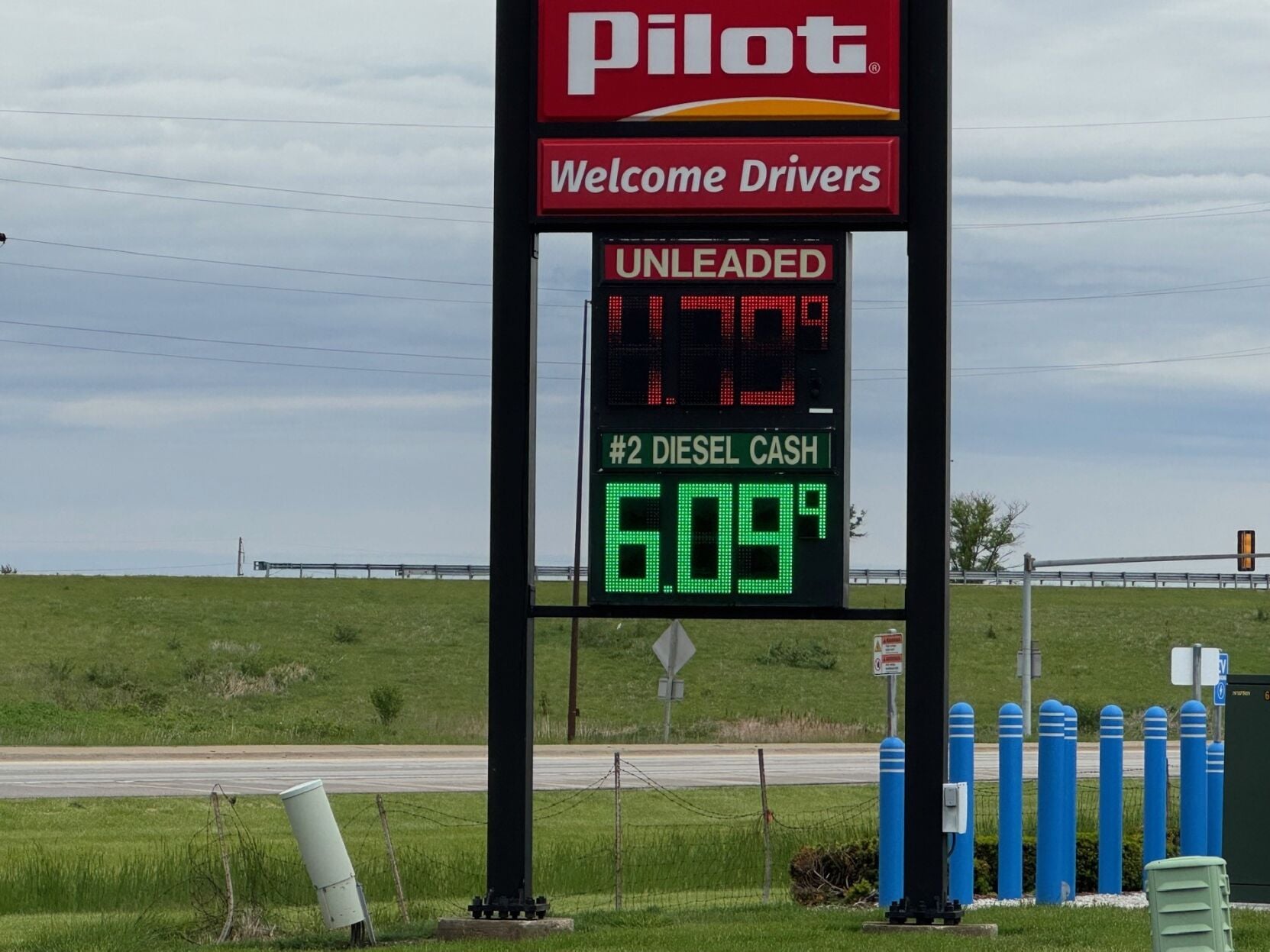
Major oil companies reported massive profits while fighting between Iran and the U.S. impeded petroleum shipments. Prices for Brent crude soared above $100 a barrel for much of the spring. Constrained supplies meant consumers around the world paid more for fuel and confronted shortages. But higher prices resulted in elevated profits for some of the biggest publicly traded oil companies. American oil and gas giants Exxon Mobil and Chevron both more than doubled their profits in the second quarter. They are positioned to benefit because they own refineries and extract oil and gas. Democrats in Congress have proposed taxing oil producers for war-related windfalls.

AP Wire
  • Updated

Two new studies reveal climate change's fingerprints over extreme fire weather-triggering infernos in Spain and France. Researchers at World Weather Attribution found human-caused climate change made Spain's record fire 20 times more likely and doubled the chances of extreme fire conditions in France. Another study shows extreme fire-prone days in Southern Europe have more than doubled compared to decades ago. Experts emphasize that climate change is already impacting fire severity and stress the need to stop burning fossil fuels.

Firefighters in southwest France are battling a mega-fire four times the size of Paris. Meanwhile, temperatures are expected to climb above 104 degrees Fahrenheit on Wednesday. Authorities in the Gironde region around Bordeaux say the heat wave and forecast winds could hamper progress. The blaze has forced 220,000 people from their homes. While the situation was calm overnight, the risk of flames flaring again has increased. Across France and Spain, roughly 330,000 people have been driven from their homes and vacation sites by wildfires. Spain is bracing for its fourth heat wave of the summer.

AP Wire
  • Updated

Experts say the world is experiencing two opposing fire trends because of human impact. Wildfires in Europe, Canada and the U.S. are high, and flirting with record levels in Europe. In North America, land burned this summer is at least 25% higher than the 10-year average. Meanwhile, global fire emissions hit a record low in July, thanks to reduced fires in Africa and Asia. Fires are decreasing because of changing agricultural practices, fire management and where people live. Still, scientists say climate change is making fires more extreme. Experts warn that El Niño could worsen fires in the tropics in coming months.

AP Wire
  • Updated

Fire crews in southwest France are battling a massive blaze four times the size of Paris. Temperatures are forecast to climb above 104 degrees Fahrenheit on Wednesday, complicating efforts. The fire has forced 220,000 people from their homes. Authorities in the Gironde region said the situation was calm overnight, but the heat wave and winds could cause flare-ups. Across France and Spain, 330,000 people have been displaced by wildfires. More than 2,200 firefighters and over 20 aircraft remained mobilized, backed by crews from across France and European partners.

  • Updated

French authorities have ordered nearly 4,000 more people to evacuate from Atlantic coast tourist sites because of wildfires. The orders issued Tuesday are widening what may be France’s largest peacetime evacuation. Meanwhile, the return of hot weather heat threatened firefighters’ fragile hold on a vast wildfire west of Bordeaux. Fire crews held the blaze in the Gironde region in check through a calm night, bringing flare-ups near coastal dunes under control and keeping the burned area unchanged at 420 square kilometers (162 square miles). Authorities called the fire stabilized, but not contained, and said it was still capable of breaking loose as temperatures rose and humidity fell.

AP Wire
  • Updated

A wildfire in southwest France grew so powerful that its towering smoke column became a thunderstorm, generating lightning that struck the ground and ignited new fires beyond the original blaze, French officials said. The so-called pyrocumulonimbus — which France’s national firefighters federation said had never before been seen in the country — also generated violent, erratic winds that could drive the flames in new directions. The inferno was no longer simply being propelled by the weather around it. It had begun creating its own.