HBO Max, “Harry Potter,” “Top Gun,” CBS and CNN may all be placed under the control of the upstart Paramount Skydance soon. That’s because shareholders of Warner Bros. Discovery approved an $81 billion sale of the company on Thursday. The deal, including debt, is valued at nearly $111 billion. While the megamerger faces ongoing regulatory review, it could vastly reshape Hollywood and the wider media landscape. It would further consolidate power in an industry already run by just a handful of major players. Paramount itself was acquired by Skydance just last year. Here’s what a Paramount-Warner combo could look like for streaming, movies, news and more.
An $81 billion Warner-Paramount mega merger has received shareholders’ stamp of approval, propelling a deal that could vastly reshape Hollywood and the wider media landscape closer to the finish line. Per a preliminary vote count on Thursday, the overwhleming majority of Warner Bros. Discovery shareholders voted in support of selling the entire business to Paramount for $31 a share. Including debt, the deal is valued at nearly $111 billion. Skydance-owned Paramount wants to buy all of Warner. That means HBO Max, cult-favorite titles like “Harry Potter” and even CNN could soon find themselves under the same roof with CBS, “Top Gun” and the Paramount+ streaming service.
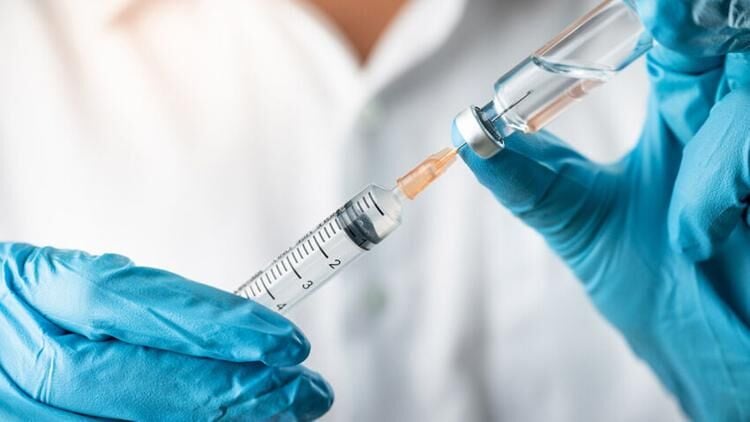
U.S. health officials have stopped the publication of a study on the COVID-19 vaccine's effectiveness in preventing hospitalizations. A spokesman for the Department of Health and Human Services confirmed the decision on Wednesday, citing concerns about the study's methodology. The research was set to appear in the CDC's Morbidity and Mortality Weekly Report. HHS officials argue that factors like prior infection and behavior can affect the results of such studies. But experts in the field say the methodology is sound and essential for real-time vaccine effectiveness estimates.
A federal judge has blocked the $6.2 billion merger between local television giants Nexstar Media Group and Tegna until an antitrust lawsuit is resolved. The merger would create a company owning 265 TV stations across 44 states. On Friday, U.S. District Court Chief Judge Troy L. Nunley issued an order halting the deal. Attorneys general in eight states and DirecTV sued to stop the merger, arguing it could raise consumer prices and harm local journalism. Nexstar’s attorneys say the deal has already been vetted and approved by the Federal Communications Commission and the Department of Justice.
Jury finds that Ticketmaster and Live Nation had an anticompetitive monopoly over big concert venues
A jury has found that concert giant Live Nation and its Ticketmaster subsidiary engaged in an anticompetitive monopoly. The New York jury decided Wednesday on claims from dozens of U.S. states that the entertainment ticketing behemoth was a monopoly that cost concertgoers and sports fans. Live Nation Entertainment owns, operates or controls booking for hundreds of venues. Its subsidiary Ticketmaster is widely considered the world’s largest ticket-seller for live events. The civil case, initially led by the U.S. federal government, accused Live Nation of using its reach to smother competition. Live Nation said in a statement that the verdict was not the last word on the matter and promised appeals. A lawyer for the states called it a “great day for antitrust law.”
Illinois lawmakers are frustrated with the state Department of Corrections after an audit revealed ongoing issues with spending and safety. The Legislative Audit Commission demanded answers from Corrections Director LaToya Hughes on Tuesday. The audit covered fiscal years 2023 and 2024, and it found 40 shortcomings, including improper overtime pay and violations of state purchasing rules. Lawmakers expressed concerns about public safety risks and financial waste. Corrections officials said overtime pay was based on the agency's union contact and that the questioned purchases were made due to supply chain issues. Lawmakers are calling for more accountability and solutions to the persistent problems.
Federal health officials will meet this summer to consider easing restrictions on a controversial group of drugs popular with followers of Robert F. Kennedy Jr.'s Make America Healthy Again movement. Thursday's announcement from the Food and Drug Administration focuses on peptides, a class of unproven chemicals that are often pitched online as a way to build muscle, lose weight and look younger. The agency said it will convene experts in July to consider the issue, which Kennedy has discussed in recent podcast appearances. FDA previously blocked production of a number of peptides due to safety concerns.
The Environmental Protection Agency is reconsidering whether facilities that recycle plastic chemically should be held to the same strict air pollution standards as incinerators. The possible change is alarming environmental advocates who say it would lead to more dangerous pollution spewing into communities, with fewer or no checks at the federal level. The plastics industry disputes that, saying it would clear up confusion while still controlling emissions. The facilities use heat or chemicals to break down plastics. The main method, a process known as pyrolysis, has long been regulated as incineration by the Clean Air Act. The agency says a potential new rule could instead recognize pyrolysis as manufacturing.
With Easter around the corner, food safety experts say you can still dye Easter eggs and eat them safely if you handle them right. Experts say you should first hard boil your eggs to reduce the risk of salmonella, and then follow the household two-hour rule for the amount of time eggs are safe at room temperature. Both artificial and natural food dyes are fine to use, so long as they are labeled food grade. But if you're planning on an egg hunt outdoors, it may be best to go with plastic eggs, and keep the dyed eggs for your Easter spread.
A new Kentucky law could shield agrochemical maker Bayer from lawsuits claiming it failed to warn that Roundup weedkiller could cause cancer. Kentucky lawmakers overrode a veto by Democratic Gov. Andy Beshear to enact the law Wednesday. It's the third state to do so, following North Dakota and Georgia. This comes several weeks before the U.S. Supreme Court is to hear arguments in a case that could give Bayer a nationwide shield against failure-to-warn lawsuits. Meanwhile, Bayer also is seeking approval of a proposed $7.25 billion settlement in Missouri that could resolve thousands of claims about its Roundup weedkiller.