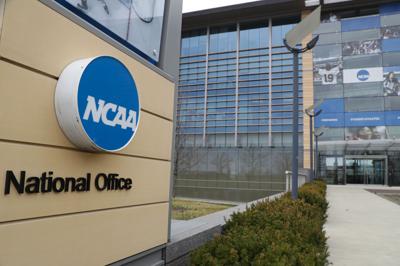
(WAND) - Attorney General Kwame Raoul announced a federal judge granted a temporary restraining order in his federal antitrust lawsuit challenging the National Collegiate Athletic Association’s (NCAA) transfer eligibility rule, allowing college athletes who have been prevented from competing to immediately be eligible.
A federal judge in the Northern District of West Virginia issued the order, preventing the NCAA from enforcing the transfer rule for the next 14 days.
“Today’s ruling is a step in the right direction toward permanently ending the flawed transfer rule that restricts college athletes in their ability to compete,” Raoul said. “I filed this lawsuit to bring fairness to collegiate sports and ensure the needs of athletes and their families are prioritized and respected.”
The next court date in the case is scheduled for Dec. 27 when a federal judge will consider the states’ motion for a preliminary injunction to extend the order until a full trial can be held.
Raoul and a coalition of six attorneys general filed their lawsuit on Dec. 7.
The NCAA rule requires college athletes who transfer among Division I schools to wait one year before competing in games, unless the NCAA waives the rule for a particular athlete. Raoul said, "The NCAA began automatically exempting first-time transfers from the regulation in 2021 but has continued to enforce the rule for subsequent transfers and deny waivers for no legitimate reason."
Raoul and the attorneys general argue, certain NCAA rules lack a clear procompetitive benefit and may run afoul of the nation’s antitrust laws.
In justifying the one-year waiting period for second-time transfers, the NCAA cites the promotion of academic well-being and the preservation of athletic amateurism.
According to Raoul and the coalition, the one-year waiting period constitutes 20% of the total time allotted by NCAA regulations for the completion of a college athlete’s full eligibility and "could prove devastating for athletes seeking to optimize their career and welfare by transferring to schools that better suit them."
Copyright 2023 WAND TV. All rights reserved.


