
After a 2025 when two-time Bears Pro Bowl cornerback Jaylon Johnson suffered through groin surgery and returned to play at less than 100%, the start to this training camp has been viewed as a chance to prove he is fully recovered. Johnson has no problem admitting he needs a big season because of his contract situation is such that the Bears could cut or trade him after this season. Coaches like what they see and believe he's capable of leading a new-look Bears secondary in 2026 based on what they've seen in training camp and the offseason.
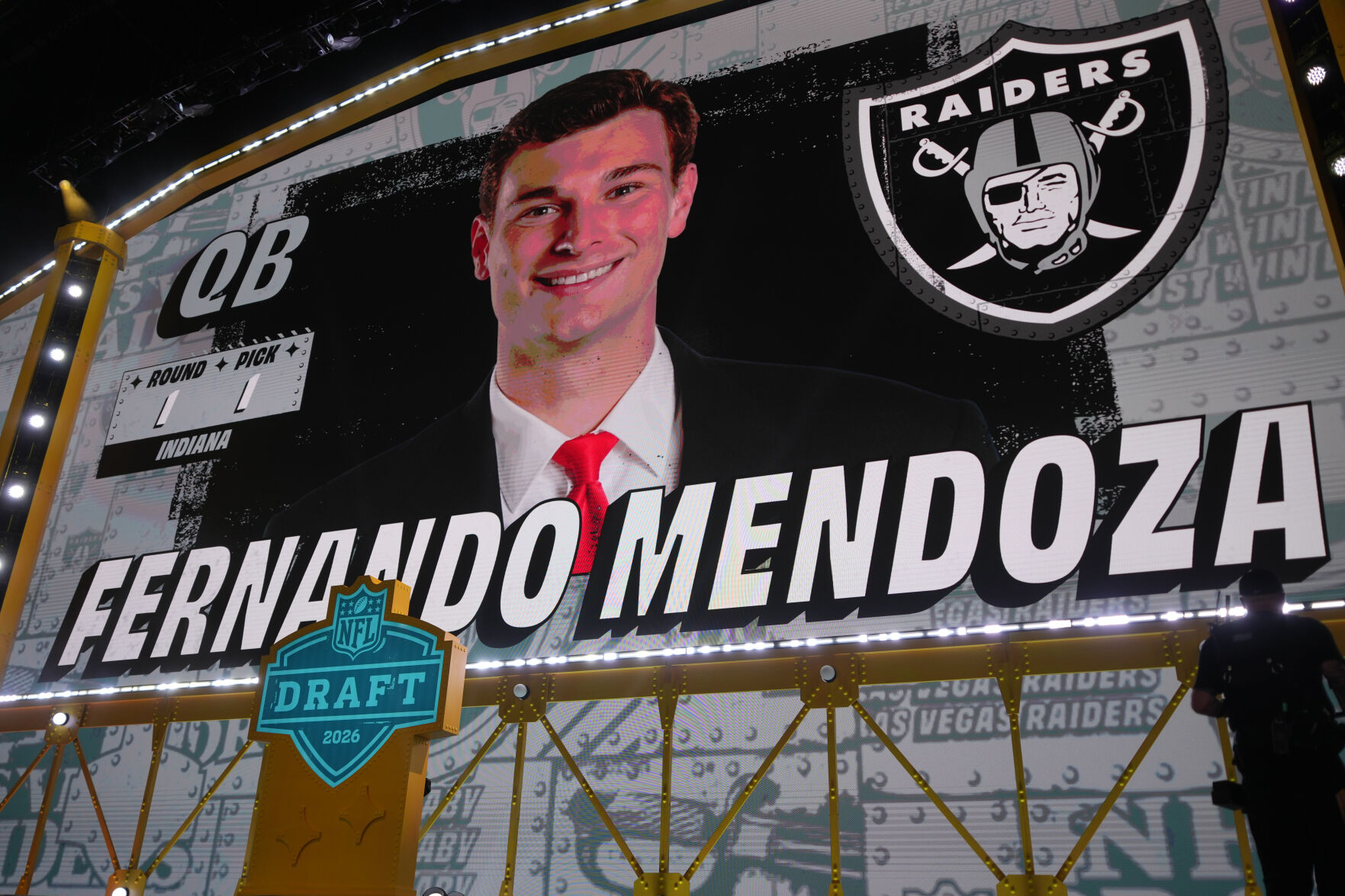
Quarterback Fernando Mendoza, the top overall pick in this year’s draft, signed a four-year, $57.27 million contract with the Las Vegas Raiders on Thursday. The Raiders hold a fifth-year option. Mendoza was the last of the Raiders’ 10 draft picks to sign. He ran the third-team offense in organized team activities and minicamp, but is expected to take on a larger role in training camp, which begins Wednesday. Veteran Kirk Cousins, who signed a free-agent contract worth $20 million guaranteed, enters camp as the No. 1 quarterback.

Chicago Blackhawks star Connor Bedard has agreed to a $75 million, five-year contract, completing a major offseason goal for the team. The rebuilding Blackhawks announced the deal. Bedard was eligible for restricted free agency, but that never turned into an issue for the center or the organization. Bedard had said repeatedly how much he likes playing in Chicago and expressed confidence in the direction of the team. And Blackhawks general manager Kyle Davidson said all along that the deal would get done. Bedard set career highs with 30 goals and 45 assists in 69 games this season.

When the Chicago Bears looked to rebuild their offensive line before the start of last season, the first big move they made was to acquire Joe Thuney from Kansas City. Thuney helped turn a weakness for the Bears into a strength with his stellar pass blocking and he earned the honor of being picked as the top interior offensive lineman in the NFL by The Associated Press. Kansas City center Creed Humphrey, Denver’s Quinn Meinerz, Atlanta’s Chris Lindstrom and Indianapolis’ Quenton Nelson rounded out the top five in voting by AP Pro Football Writers.

America’s early departure from the 2026 World Cup raised a question that arises every four years: What would it take to produce a global soccer superpower in the United States? This time around, most of the answers appear to lie in retooling the so-called “pay-for-play” system that is largely a U.S. phenomenon. The majority of youth soccer organizations in America stay in business by developing players for a fee, then keeping them in the program for as long as their family is willing to pay. Leaders in U.S. soccer hope to leverage that and add elements of a well-developed club system that reaches into the grassroots in places like Argentina where Lionel Messi and company play Spain on Sunday for the country's fourth World Cup title.