
SPRINGFIELD, Ill. (WAND) — Illinois voters will be asked in November if the state's constitution should be amended to provide property tax relief. A former Democratic governor is leading the effort to ensure voters know about the referendum.
Illinois has one of the highest and most burdensome property tax bills in the country, but state lawmakers and former governor Pat Quinn hope to provide some relief for people struggling to get by.
Voters will be asked if the Illinois constitution should be amended to create an additional 3% tax for millionaires. The state would put money from the new tax into a property tax relief fund.
"This system year after year has become more and more complicated and more and more unfair," Quinn told reporters in Chicago Thursday. "It's an upside down system where everyday people who live paycheck to paycheck pay more than they should in a tax that is not based on ability to pay."
Quinn said there are over 77,000 millionaires living in Illinois. He believes a 3% surcharge on millionaire income could fund roughly $1.5 billion in annual property tax refunds to people across the state.
"I think there's a longtime principle that politicians follow the election returns," Quinn said. "That's why we want people to vote yes in favor of the property tax relief amendment. That sends that message to Springfield that we the taxpayers want real reform and real relief."
While Quinn knows millionaires may campaign against this referendum, he argued that grassroots organizations can get enough support from low-income and middle class voters.

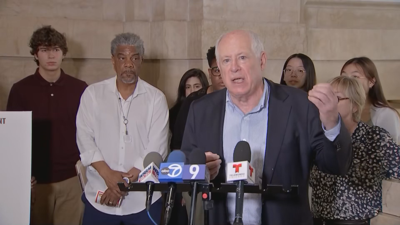
Former Illinois governor Pat Quinn discussed a proposed property tax relief constitutional amendment on August 1, 2024.
"Where the wealthiest gets the tax breaks and everyday people trying to pay their tax bill get higher bills, that's not a fair system," Quinn stressed.
Illinois voters will also be asked if they think insurance companies should cover fertility treatment and whether or not candidates for public office should face civil charges if they interfere with election workers. These will be nonbinding referendum questions, so they will not change laws. Although, the results could help lawmakers draft future policy.
Copyright 2024. WAND TV. All rights reserved.


