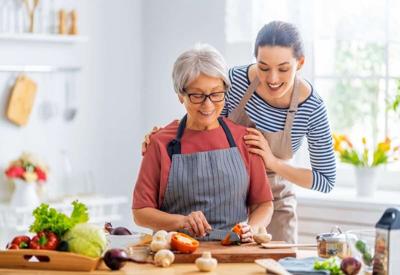
Grandmothers are becoming some of the most influential voices in American food culture, drawing large audiences by cooking the way they always have. On TikTok, Instagram and YouTube, these "grandfluencers" are reshaping what authority looks like in the kitchen, trading polish and speed for lived experience, repetition and familiarity.
Unlike trend-driven influencers, grandfluencers offer steadiness. Their videos focus on practical habits and techniques honed over decades of routine cooking rather than on optimization or performance. Younger audiences, particularly Gen Z and millennials, are responding, drawn to kitchens that look like home and familiar voices. In an increasingly crowded food media landscape, nostalgia is not the hook; credibility is.
From home kitchens to social feeds
The move from family kitchen to social media influence has been largely organic. Grandfluencers are not building audiences through production value or constant reinvention, but through consistency. They often film videos in the same space, use the same tools and deliver explanations the same way each time.
Predictability has become an asset as audiences grow more skeptical of highly produced food content. According to 2025 consumer research, more than 70% of Gen Z use social media as their primary source of meal inspiration, with TikTok and Instagram leading the way. Nearly 9 in 10 U.S. consumers report turning to digital platforms for recipes and everyday cooking guidance, shifting away from cookbooks and traditional media as first stops.
Familiar dishes drive engagement. Videos featuring shipwreck casserole, poor man's meal, tuna noodle casserole and vinegar pie have generated millions of views across social media platforms. Food trend analysts note that nostalgic and retro recipes make up an increasing portion of evergreen food content, meaning videos that continue to attract views long after posting.
Nostalgic cooking resonates now
The renewed interest in nostalgic cooking is less about revival than reliability. Audiences gravitate toward food that feels tested, practical and derived from everyday life rather than engineered for clicks. That change is visible across food publishing, including sites like RetroRecipeBook.com, where engagement is driven by familiarity, traditional formats and recipes that assume a baseline level of kitchen knowledge.
Search trend analysis from Google Trends shows increased interest in terms related to vintage recipes, old-fashioned cooking and Depression-era meals. Many of the most shared dishes center on frugality and function, including creamed chipped beef, ham and beans and skillet meals built around potatoes and onions. In a digital food culture crowded with hacks and reinventions, longevity has become a measurable signal of value.
Who's watching and why
The strongest audiences for nostalgic cooking skew younger. Platform demographic data show that the majority of followers of major grandfluencer accounts are Gen Z and millennials. Analysts point out that younger viewers are less interested in novelty and more drawn to perceived competence and trust.
Comment sections on grandfluencer videos often function as shared memory spaces, with viewers recalling similar kitchens or relatives who cooked the same dishes. The appeal lies less in recreating a specific era than in finding continuity in food that feels dependable and personal.
Platforms that made grandfluencers matter
Short-form video platforms amplified what grandfluencers already did well. TikTok prioritizes watch time and repeat viewing, and industry analyses show that food videos focused on everyday cooking and familiar meals tend to generate more sustained engagement than short-lived, trend-driven content.
Instagram and YouTube extend the reach by enabling longer explanations and deeper storytelling, but the core appeal remains consistent across platforms, centered on real kitchens and established routines. There's no pressure to reinvent shipwreck casserole or poor man's meal into something new.
Trust as the differentiator
What separates grandfluencers from traditional food creators is trust. These cooks are not selling a lifestyle or chasing formats. They rarely rely on branding, gimmicks or optimization language. Their authority comes from repetition and food that has been cooked the same way for decades.
The rise of grandfluencers recalibrates the American food culture, with audiences no longer chasing constant innovation. They instead gravitate toward cooks who offer continuity, competence and food grounded in real life. Nostalgic cooking is not about returning to the past, but a response to the present, led by people who never stopped cooking that way in the first place.
Jennifer Allen is a retired professional chef and long-time writer. Her work appears in dozens of publications, including MSN, Yahoo, The Washington Post and The Seattle Times. These days, she's busy in the kitchen developing recipes and traveling the world, and you can find all her best creations at Cook What You Love.


