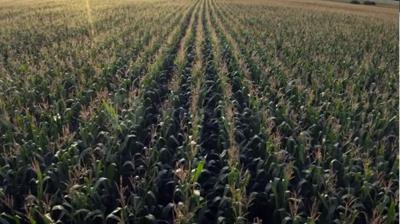
Every year we hear the term "corn sweat", but what exactly is it?
Technically, corn doesn't actually sweat. Instead, it undergoes a process known as evapotranspiration (ET). This is a process in which water moves through the plant to its surface, and then it evaporates into the atmosphere.
According to some USDA research, a good corn harvest can contribute up to 5,000 gallons of water to the atmosphere, in just two days time!
So, when can we feel the effects of corn "sweat"? We usually see it during that later half of the summer in late July into August.
While we may be a couple weeks away from "peak" corn sweat season, it'll be here before we know it, but is it actually the cause of all the humidity?
While many Midwesterners tend to blame the summer humidity on corn sweat, it only makes up a very small portion of our summer humidity.
Majority of the humidity we see actually comes from the Gulf through southerly winds like we saw last week.
So, it's a lot more likely that we can blame our neighbors to the south for the humidity, rather than the corn that the farmers are growing.


