
SPRINGFIELD, Ill. (WAND) — Illinois Senate Democrats say students, parents, and teachers have been drastically impacted by physical, mental, and emotional trauma well before the COVID-19 pandemic started.
Senate Majority Leader Kimberly Lightford (D-Maywood) wants the Illinois State Board of Education to create a children's adversity index to properly measure the exposure to trauma. This index would document childhood trauma for children ranging from three to 18 years old by May 31, 2025.
Senate Republicans said they appreciate Lightford's passion and work leading up to this proposal. However, some noted concerns over how the index could address trauma in all parts of the state. Sen. Tom Bennett (R-Morris) said there are different issues in urban and rural school districts in Illinois.
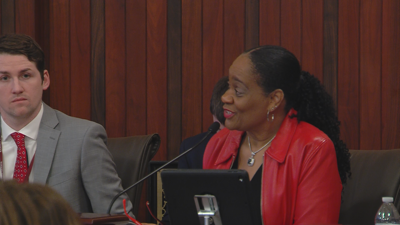
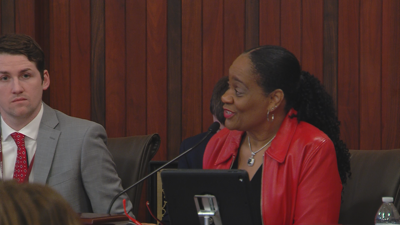
"The path to recovery requires a commitment from adults in this state to address our students' cultural, physical, emotional, and mental health needs and to provide them with the strong support and interventions," Lightford told the Senate Education Committee Tuesday.
This idea is a component of the Illinois Legislative Black Caucus education pillar and legislation in 2021 that established the Whole Child Task Force. The group made recommendations to Gov. JB Pritzker and the General Assembly on how the state can establish an equitable, inclusive, safe, and supportive environment in every school.
Jelani Saadiq, the director of governmental relations at Advance Illinois, said this proposal could allow the state to have a single portal for all of this information.
"We can really do a better job understanding and informing our policies moving forward on how to direct resources appropriate for the actual issues that we want to address," Saadiq explained. "But, the first part we have to do is collect and see what those actual issues are."
Some schools across the state already address mental health issues and trauma, but Lightford said those solutions aren't systemic because they are driven by local leaders.
"We're not all on the same page and kids aren't being supported equally," Lightford said. "We know that while they're not the only source of support, schools have long played a pivotal role in providing resources to meet students' basic needs."
Lightford's bill could also require school districts to include the number of counselors and social workers they have on staff when they report information to ISBE for the annual state report card. She explained this information is frequently collected, but it is not publicly reported.
"So making this information available on the school district report card will help inform local decision-making and enable stakeholders to engage with local and state leaders around resource allocations and programming," Lightford said.
Senate Bill 16 also calls for more training for educators to better respond to trauma. The legislation requires the Whole Child Task Force to reconvene in five years to check on the progress and implementation of this plan.
Republicans also asked Lightford how the Task Force was able to define trauma for this proposal after years of discussing it for other legislation. Lightford noted that the group spent three months trying to create the best well-rounded definition to improve future policies.
SB 16 states that trauma is defined according to an event, an experience and effects. The Task Force wrote that individual trauma results from an event, multiple events, or set of circumstances that someone experiences that is physically or emotionally harmful or life threatening with lasting adverse effects on mental, physical, social or emotional well-being. Collective trauma is defined as a psychological reaction to a traumatic event shared by a group of people. Lightford explained that collective trauma could include community violence, racism and discrimination, lack of educational or economic opportunities, food, health care, housing, and community cohesion.
While anyone in Illinois can experience trauma, the Task Force noted that it is disproportionately experienced by people in marginalized groups. The bill language states that systemic and historical oppression, such as racism, is often at the root of this inequity.
"I strongly believe the approach has the potential to make Illinois a national leader in advancing equitable, strength-based, and culturally-attuned trauma responsive and healing centered services," Lightford stressed.
This plan passed unanimously out of the Senate Education Committee and now heads to the Senate floor.
Copyright 2023. WAND TV. All rights reserved.


