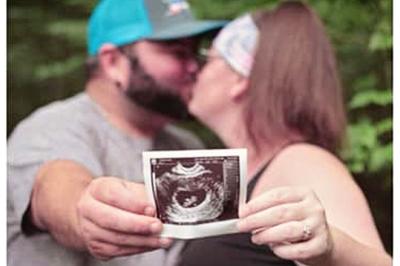
JEFFERSON COUNTY, Missouri (WAND) - A Missouri family learned the house they were living in was a former drug house after their unborn child tested positive for meth.
Elisha Hessel and her husband had been trying to have a child for three years.
A nurse found amphetamines in Hessel’s blood during routine tests after they became pregnant.
“When they called me, I didn't know what that meant. So, I asked the nurse if that meant like, drugs in general,” Hessel said. “She basically just said 'yes' and asked me if I could explain that.”
Elisha and her husband Tyler said they have never been around meth. They have no criminal history of drug use.
Then, they learned the history of their home was the problem.
“Through speaking with neighbors and kind of getting hints here and there,” said Hessel. “I went ahead and bought a test over the internet and tested it myself and it did come back with unsafe levels in the home.”
In Missouri, a seller who knows that a home once had a drug lab in it is required to tell the buyer. Nobody told the Hessels.
They found the address on Jefferson County’s list of 2013 meth lab seizures.
Now, the home is abandoned.
Testing showed the home’s ventilation system is heavily contaminated with methamphetamine and meth-making residue.
Years before the family had moved in, police responded to a tip at the home about a possible meth lab. Officers found a burned barrel in the backyard when they caught a man who tried running from the house. The barrel was full of empty allergy pill boxes, empty drain opener and camp fuel bottles and other supplies often used to make meth.
A county ordinance requires police to test homes for contamination after they find an active meth lab or enough equipment and chemicals that they suspect someone is making meth. If the home is too dangerous, code officials are supposed to condemn the home until it is cleaned up.
Police said when they went to the home in 2013, “There wasn't evidence that day at that time to suggest that distribution or manufacturing was going on.”
The house was not tested back then for contamination or reported to Code Enforcement. In 2016, the house became the property of a bank, then another buyer and then the Hessels.
Remediating a home with meth contamination is costly. The family got a quote of about $100,000, about what the home is actually worth, to clean it.
Drywall has to be removed and the HVAC system and duct work has to be replaced.
Officials said they have tested homes as many as 11 years after they were first contaminated and still found high levels. Contaminating chemicals can even linger after clean-up.
The family had to leave many things behind, because they are no longer safe. That includes personal photos, new furniture, and more.
The new baby is due in January. For now, the family has moved in with Elisha's mother.
The family contacted a lawyer, who offered to take the home insurance company to court for the money to remediate. However, they cannot afford the retainer.
Hessel's blood tests have been showing clean now, but her baby will be tested again when she is born. If there are amphetamine levels detected on that day, the Children’s Division of the Department of Social Services will get involved.


