CHAMPAIGN COUNTY, Ill. (WAND) - The first human case of West Nile Virus in Champaign County has been confirmed for this year.
The Champaign-Urbana Public Health District reports the affected person is a resident of Champaign, in their 60s, who tested positive for the infection in September.
“While we’re seeing cooler temperatures, mosquitoes remain active until the first hard freeze, so it’s important for people to continue protecting themselves from mosquito bites,” said Champaign-Urbana Public Health District Administrator Julie A. Pryde.
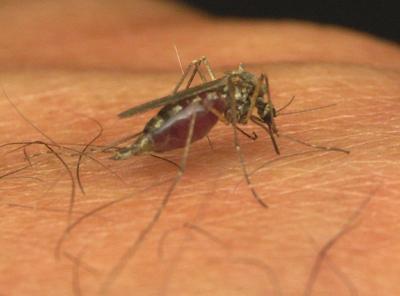
West Nile virus is spread through the bite of a Culex mosquito which has picked up the virus by feeding on an infected bird. Common symptoms of West Nile Virus include fever, nausea, headache and muscle aches. Symptoms may last from a few days to a few weeks.
Most people infected with West Nile virus will not experience any symptoms. However, in rare cases, severe illness can occur, such as brain infections like meningitis or encephalitis, paralysis, or even death.
Individuals older than 60 and those with weakened immune systems are at higher risk for severe illness from West Nile virus.
There are currently no vaccines or medicines to prevent the disease.
The Illinois Department of Public Health and CUPHD encourage the public to Fight the Bite and take steps to prevent WNV by practicing the three “R’s” – reduce, repel, and report:
- REDUCE – make sure doors and windows have tight-fitting screens. Repair or replace screens that have tears or other openings. Try to keep doors and windows shut. Eliminate, or refresh each week, all sources of standing water where mosquitoes can breed, including water in bird baths, ponds, flowerpots, wading pools, old tires, and any other containers.
- REPEL – when outdoors, wear shoes and socks, long pants and a light-colored, long-sleeved shirt, and apply an EPA-registered insect repellent that contains DEET, picaridin, oil of lemon eucalyptus, or IR 3535 according to label instructions. Consult a physician before using repellents on infants.
- REPORT – During the months of May through October, report locations where you see water sitting stagnant for more than a week such as roadside ditches, flooded yards, and similar locations that may produce mosquitoes.
For more information about West Nile Virus and CUPHD’s prevention efforts, visit https://c-uphd.org/west-nile-virus.html. For West Nile virus statistics statewide, visit the Illinois Department of Public Health website.
Copyright 2024 WAND TV. All rights reserved.


