ILLINOIS – The Illinois Department of Public Health (IDPH) is reporting a bird testing positive for West Nile virus has been collected from the Arcola Township.
This is the first bird in 2016 to test positive for the virus. Douglas County Health Departments employees collected the blue jay on May 20, 2016 in Arcola. IDPH Director Nirav D. Shah, M.D., J.D., says while there is a lot of focus on Zika virus now, residents should still take the necessary precautions to protect against West Nile virus.
“We want to remind people not be complacent. Take precautions to protect yourself by wearing insect repellant and getting rid of standing water around your home,” Shah adds.
Health officials carry out surveillance of West Nile in Illinois through laboratory testing on mosquito batches, dead crows, blue jays, robins and other perching birds, as well as testing sick horses and humans with West Nile virus-like symptoms.
Anyone who observes a sick or dying crow, blue jay, robin or other perching bird should contact their local health department, which will determine if the bird will be picked up for testing.
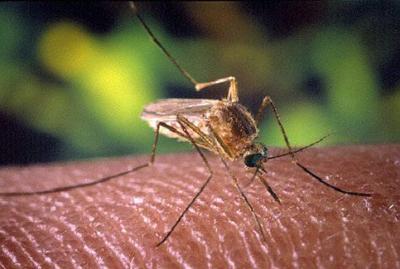
West Nile is transmitted through the bite of a Culex pipiens mosquito, commonly called a house mosquito that has picked up the virus by feeding on an infected bird.
Common symptoms include fever, nausea, headache and muscle aches. These symptoms can last from a few days to a few weeks. Still, health officials say to be cautious as four out of five people infected may not even show symptoms. In rare cases, meningitis or encephalitis, or even death, can occur. Individuals older than 50 are at a higher risk for the virus.
The first West Nile virus positive result in 2015 was a mosquito batch in St. Clair County, collected on May 26, 2015. Last year, 64 counties in Illinois reported a positive batch or case. 77 human cases were reported in the 2015 season, with nine deaths, but human cases are typically underreported.
There have been no reported cases of human West Nile virus so far this year.
Additional information about West Nile virus can be found on the IDPH website.


