


AUBURN, Ill. (WAND) — Long before Interstate 55 carried travelers through central Illinois, Route 66 connected communities, businesses and families along what would become America's most famous highway.
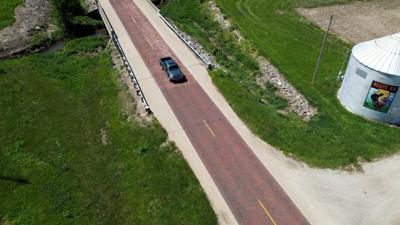
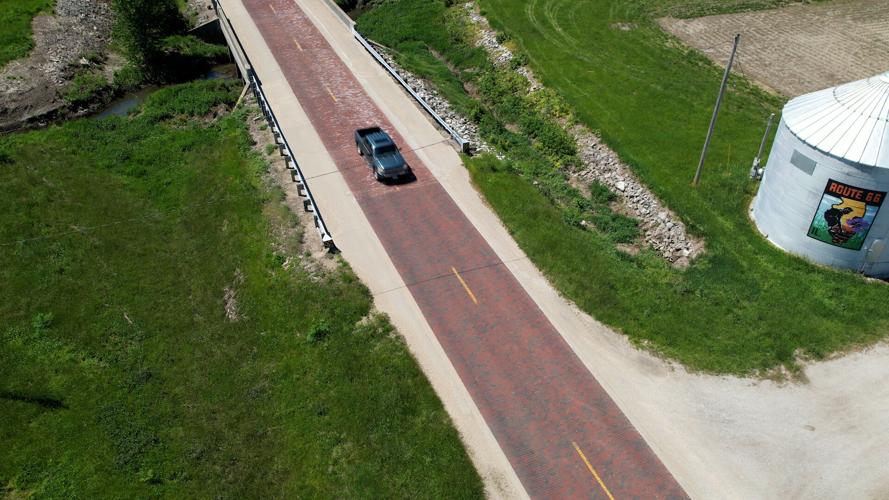
On Thursday, one of the best-preserved reminders of that history sits just north of Auburn, where a nearly four-minute stretch of brick pavement continues to draw visitors from around the world.
The brick road, listed on the National Register of Historic Places, offers a rare glimpse into what travelers experienced nearly a century ago when Route 66 first stretched from Chicago to Los Angeles.
For Auburn historian Dan Dixon, the road is more than a tourist attraction. It's a connection to the community's past and to the people who helped build it.
"It's really impacted all the towns along the way," Dixon said. "You went from dirt roads that could be wet and muddy, and horses could drive through, or a car could try to drive through, but it'd be bumping all over the place. Then they started putting bricks on it."
Route 66 was officially established on Nov. 11, 1926, but bringing the roadway through Auburn took years of planning, funding and construction.
According to Dixon, local leaders spent months discussing how to build Auburn's portion of the highway before construction finally began in 1928. The project became a true community effort.
"There were at least 200 men and boys who helped build the road here in Auburn," Dixon said. "My grandfather donated a truck for moving the sand back and forth that they needed between these bricks."
Dixon said his grandfather also served as a foreman during construction, one of many residents whose contributions helped create a roadway that would eventually become internationally recognized.
Among the stories passed down through generations is one about a Native American bricklayer who reportedly could lay 1,000 bricks in a single day. Dixon still keeps one of the original Route 66 bricks his family received when repairs were made to the roadway in the 1980s.
The arrival of Route 66 transformed travel in central Illinois. Before paved roads, communities like Auburn largely operated independently. Residents shopped locally, worked locally and often relied on railroads or interurban lines for longer trips.
"A lot of the communities at that time were individual communities," Dixon said. "They didn't really commute to each other's towns. They were self-sufficient."
The new highway changed that by creating reliable connections between communities and making travel easier than ever before.
Historical records show Auburn residents celebrated the completion of the roadway in September 1928. More than 1,000 people reportedly gathered in town to mark the opening of the new pavement.
Dixon said local businessman Charlie White, remembered by longtime residents for selling popcorn and hamburgers, was among those involved in the festivities. Stories about White and other early Auburn residents continue to surface as local historians dig through newspaper archives and family records.
While much of the original Route 66 has been replaced or rerouted over the decades, Auburn's brick road remains remarkably intact.
Dixon said the bricks were reset during restoration work in the 1980s, helping preserve the roadway for future generations. Even today, visitors are often surprised to find the century-old roadway still in drivable condition.
"It's amazing that it's still in good enough condition to use," Dixon said.
As Illinois and communities across the nation celebrate the upcoming 100th anniversary of Route 66 in 2026, the Auburn brick road continues to serve as a tangible reminder of the people, labor and local pride that helped create the Mother Road.
For Dixon, researching Route 66 has also uncovered personal connections to the highway's history.
"Finding out that my grandfather was part of this ... I knew Dad knew about some of the stories, but I never figured out how he knew," Dixon said. "Apparently, my grandfather told him about that."
Nearly 100 years after workers carefully laid thousands of bricks by hand, the road remains a destination for history enthusiasts, Route 66 travelers and anyone looking to experience a surviving piece of America's most iconic highway.
Copyright 2026. WAND TV. All rights reserved.


