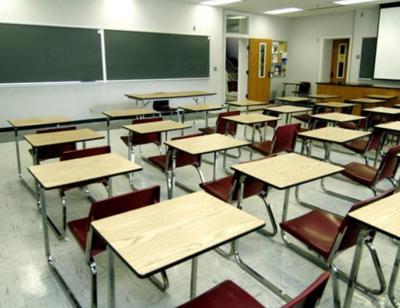
SPRINGFIELD, Ill. (WAND) - Changes to what can be considered an appropriate time out or restraint for a disciplined student have been proposed by Illinois education leaders.
The Illinois State Board of Education filed for suggested permanent rule changes, which would feature more details added to a ban on isolated seclusion. The state became the fifth nationally to create that ban when it went into effect on Nov. 20.
Proposed additions include details for the health and safety of time outs, requiring them to happen in unlocked spaces with a trained adult present. The student in time out would be required to have "reasonable access" to food, medication and toileting facilities, a press release said.
It said the supervising adult would have to check every 15 minutes to see if the student's dangerous behavior has stopped.
Restrictions to time outs would not apply to student-initiated breaks, sensory breaks, brief removals to the hallway or in-school suspension or detentions.
Supine restraints on children would be allowed, but only in emergency situations when leaders have tried "less restrictive interventions" without success "in stopping the imminent danger to students or staff". If supine restraint is use, the changes would require a trained adult not involved in physically holding a student to supervise the entire restraint.
According to the release, a student who has been restrained in a supine position at least two separate times in a 30-school day period must go through an additional layer of review from a psychologist, nurse, social worker or behavior specialist.
Physical restraints "must not impair a student's ability to breathe or communicate normally", the board said, and can't be used on students with medical or psychological limitations "that contraindicate their use".
Additional changes would include further specification for training and, following any incident of time out or restraint, the notification of parents or guardians and the Illinois State Board of Education.
“I sincerely thank all of the advocates, especially in the special education community, for their thoughtful partnership in ISBE’s development of the proposed permanent rules. I also deeply appreciate our educators, who do one of the hardest and most important jobs in the world,” said State Superintendent of Education Dr. Carmen I. Ayala. “Our schools and students are now safer as a result of this collaboration and swift action. Students should not have had to go through the horrific trauma they experienced for Illinois to implement safer policies to protect them. The new data collection for all instances of time out and restraint, in conjunction with the new protections in rule, will help prevent the inexcusable treatment they experienced from happening to another Illinois student.”
ISBE is accepting public feedback on the proposed rule changes before they are finalized in spring 2020. People can submit comments now through Feb. 4 by email at rules@isbe.net, by phone, by physical mail or to anyone in the agency. An employee who receives an oral or written comment must give it to ISBE's rules coordinator.
Emergency rules as they currently stand expire on April 17, 2020.