

LOUISVILLE, Ky. (WDRB) — The Kentucky Oaks was supposed to belong to the bright, polished fillies with the clean résumés and the tidy past performance lines.
Instead, on a Friday night under the lights at Churchill Downs, it belonged to a filly who had once been fighting for air.
Always a Runner did not arrive here the easy way. She came coughing. She came late. She came with fluid in her lungs, a hyperbaric chamber in her past and a career that, for a while, was less promise than question mark.
Chad Brown, a five-time Eclipse Award winning trainer who has handled enough gifted horses to know how quickly promise can turn to worry, said that when the bad phone call came last fall, this filly was "struggling," with a severe case of pneumonia that kept her in the clinic for more than a month.
At that point, he said, "We would have never thought we'd be here today." Later, he put it even more bluntly: "She didn't have to be here today. She didn't have to run again. She could have never run, easily. I've had it happen."
Instead, she ran in the Kentucky Oaks on Friday night and won it by 1 1/4 lengths.
And not by inheriting somebody else's mistake. She won it like a filly with a grudge against bad fortune.
She broke and settled into the middle of the crowd while Explora, from the rail, sprinted through an opening quarter in :23.08 and a half in :46.85. Meaning got the kind of trip trainers dream about. Counting Stars saved ground. Zany lurked. For a while, it looked like a race that would be decided by the usual things, position, timing, luck, the sort of clean arithmetic horseplayers like to pretend governs this game.
But sometimes, horse races are not arithmetic. They are revelation.
Jockey Jose Ortiz said the plan had been laid out beforehand: break well, fall in behind Meaning, follow the right filly, wait for the right moment. "The plan went like we thought it was going to go," Ortiz said. "Rarely that happens."
Brown, marveling at both horse and rider, said they never even had to get to Plan B. "That's exactly how we laid it out," he said. "And Jose executed it perfectly. And this incredibly talented filly cooperated. She was there for him at every pole."
Then came the far turn.

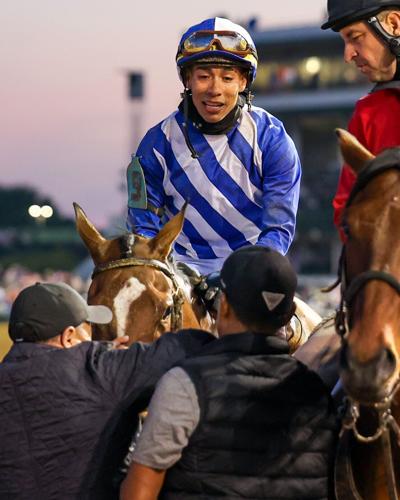
Jose Ortiz accepts congratulations after guiding Always a Runner to victory in the Kentucky Oaks.
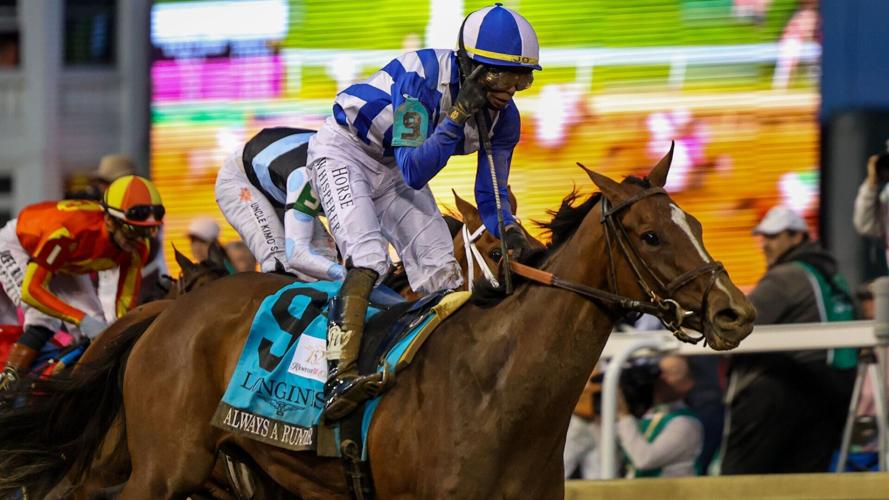
ERIC CRAWFORDAlways a Runner began to uncoil out there, three wide, then wider still, until she came into the lane five wide and full of purpose. Ortiz said he tipped out at the quarter pole and found himself in exactly the place a jockey wants to live. "It was just a dream trip," he said. "I was very happy to be in the position I was."
Meaning had dead aim. Explora was still fighting. For a moment, the race looked as if it might belong to one of the fillies who had been here all spring doing things in orderly fashion. Then Always a Runner came past them all at the sixteenth pole and drew off, stopping the clock in 1:48.62 and paying $13.04 to win.
Brown had never won the Oaks before, which seems almost impolite of the race, considering how many elite horses have passed through his hands. But there he was at last, holding lilies and trying to explain the kind of horse that makes trainers sound grateful more than clever.
"It's been quite a journey," Brown said. "You could tell right away from the first work that she had unbelievable ability." And yet ability was only part of it. Survival was the rest. Brown said the filly's career was "really up in the air," that with serious lung trouble you watch day to day, week to week, month to month, looking for signs that something permanent has changed. He has seen horses not make it back from less. That this one not only came back, but came back unbeaten into the Oaks and won it, he called "way up at the top of the list of perseverance for a horse."
That word matters here. Perseverance.
Always a Runner had only two starts before Friday night. In a game that usually treats seasoning like scripture, she arrived with the résumé of a rumor.
Brown said that was the balancing act all spring: getting her ready for a race like this without sacrificing the rest of the season in the process. "It's a fine line you walk," he said. "So it's a balance. And when you have the right horse, though, and you have the right team, things have a way of working themselves out."
Ortiz, meanwhile, sounded like a man who knew he had been handed something special and had the good sense not to overcomplicate it. Brown had told him what to expect from the filly in the morning, comparing her to a Ferrari. Ortiz climbed off sounding as though he'd just test-driven one.
And because Churchill Downs can never leave well enough alone, this all happened in the first Kentucky Oaks ever run under the lights.
That gave the race a faintly theatrical feel, as if one of the sport's oldest afternoons had wandered into prime time to see how it looked in evening clothes. Brown said he would "definitely do it again," though he joked that after finally winning his first Oaks, he had to celebrate it in the paddock instead of getting the full infield trophy experience he had spent "many, many Derby weekends" dreaming about. Ortiz, after winning five races on the card, summed up the nighttime experiment a little more dryly: "For me, just very long day."
Maybe that was fitting.
Because this filly was something a little strange and a little beautiful herself. She was not the obvious one. She was not the fully furnished one. She was not, by the strict old rules of the game, even supposed to be here. But the old rules are forever being broken by horses too young to know them.
Brown said that walking over to the race, he told the connections this was the first time he was really going to "turn her head loose." He had never fully asked her before. "Today she got asked," he said, "and she answered."
A filly once left gasping in a clinic was finally asked the biggest question Churchill Downs can ask.
She answered with a sweep around the turn, a burst through the lane and a set of lilies across her withers. She answered with Chad Brown's first Oaks.
She answered under the lights, in the dark, where the sport tried something new and found, in an old truth, a perfect star.
A good horse will take you there, Brown said.
This one took everybody.
IMAGES | The fashion and flair of the Kentucky Oaks at Churchill Downs

Racing fans don their finest pink outfits for the 152nd Kentucky Oaks at Churchill Downs. May 1, 2026. (WDRB Photo)
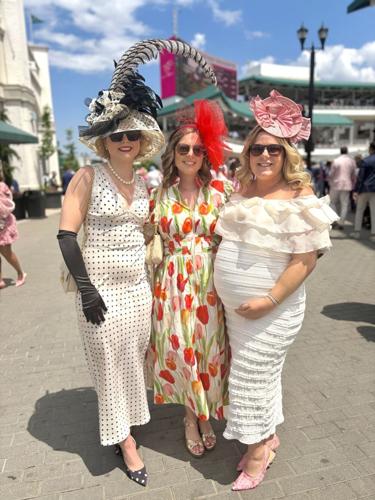
Racing fans don their finest pink outfits for the 152nd Kentucky Oaks at Churchill Downs. May 1, 2026. (WDRB Photo)
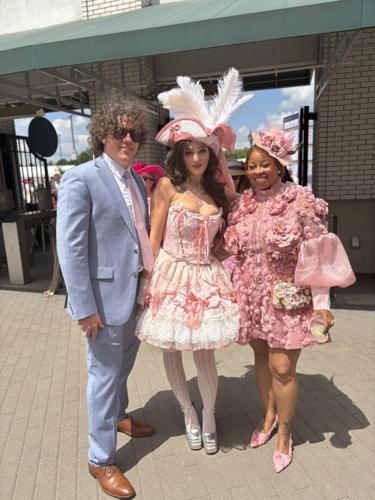
Racing fans don their finest pink outfits for the 152nd Kentucky Oaks at Churchill Downs. May 1, 2026. (WDRB Photo)
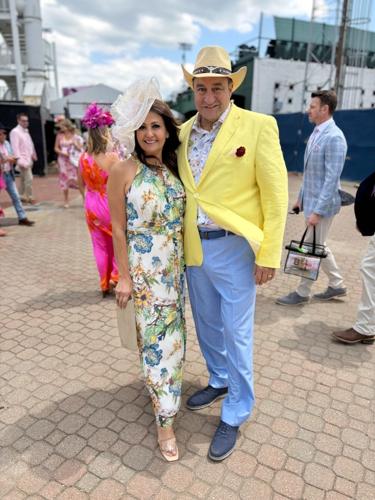
Racing fans don their finest pink outfits for the 152nd Kentucky Oaks at Churchill Downs. May 1, 2026. (WDRB Photo)
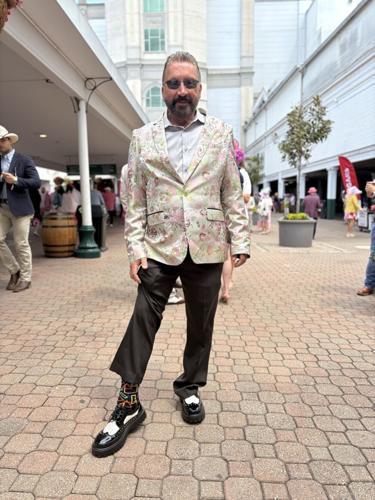
Racing fans don their finest pink outfits for the 152nd Kentucky Oaks at Churchill Downs. May 1, 2026. (WDRB Photo)
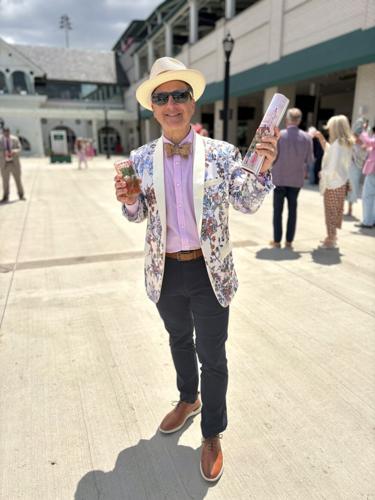
Racing fans don their finest pink outfits for the 152nd Kentucky Oaks at Churchill Downs. May 1, 2026. (WDRB Photo)
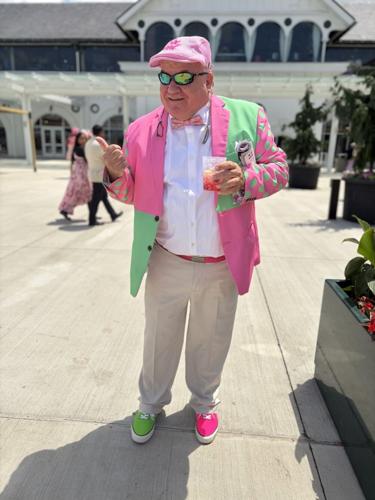
Racing fans don their finest pink outfits for the 152nd Kentucky Oaks at Churchill Downs. May 1, 2026. (WDRB Photo)
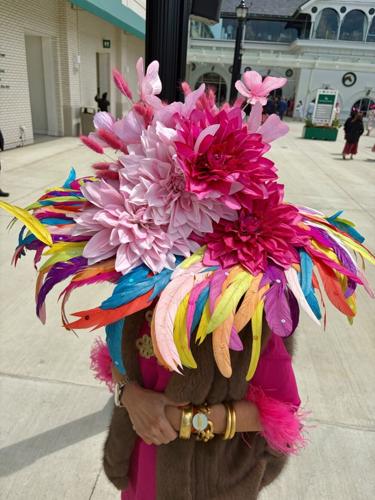
Racing fans don their finest pink outfits for the 152nd Kentucky Oaks at Churchill Downs. May 1, 2026. (WDRB Photo)
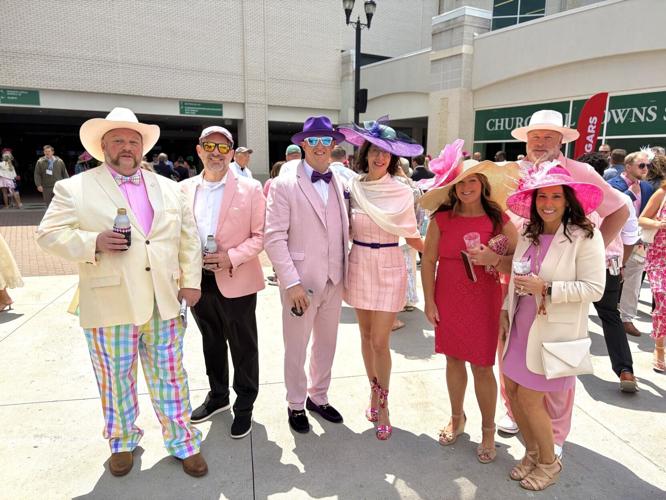
Racing fans don their finest pink outfits for the 152nd Kentucky Oaks at Churchill Downs. May 1, 2026. (WDRB Photo)
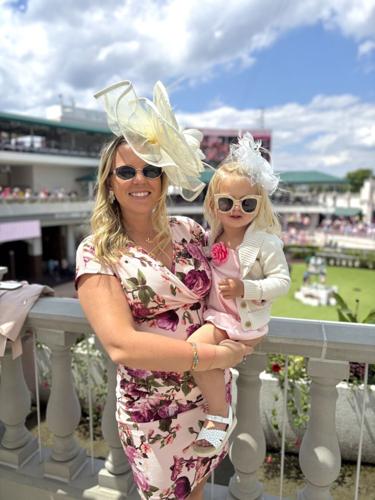
Racing fans don their finest pink outfits for the 152nd Kentucky Oaks at Churchill Downs. May 1, 2026. (WDRB Photo)
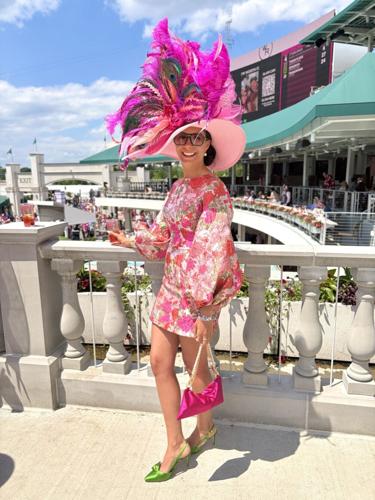
Racing fans don their finest pink outfits for the 152nd Kentucky Oaks at Churchill Downs. May 1, 2026. (WDRB Photo)
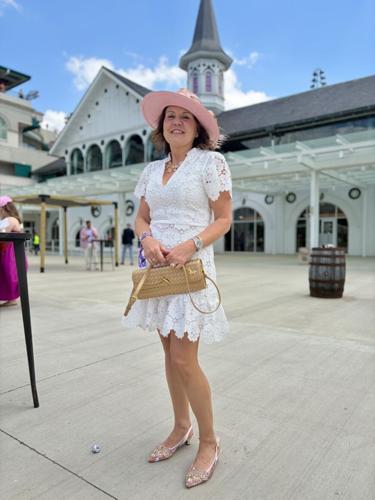
Racing fans don their finest pink outfits for the 152nd Kentucky Oaks at Churchill Downs. May 1, 2026. (WDRB Photo)
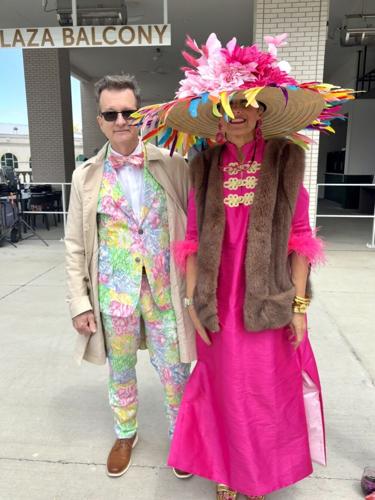
Racing fans don their finest pink outfits for the 152nd Kentucky Oaks at Churchill Downs. May 1, 2026. (WDRB Photo)
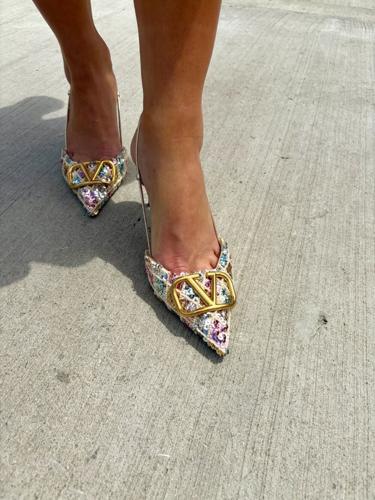
Racing fans don their finest pink outfits for the 152nd Kentucky Oaks at Churchill Downs. May 1, 2026. (WDRB Photo)
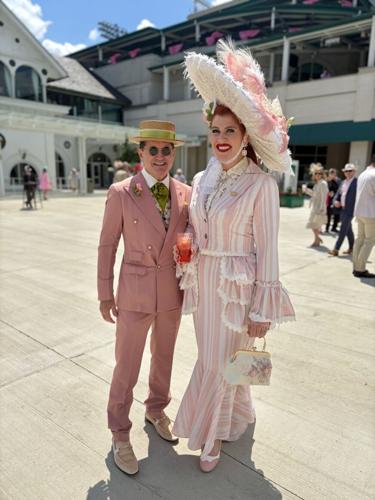
Racing fans don their finest pink outfits for the 152nd Kentucky Oaks at Churchill Downs. May 1, 2026. (WDRB Photo)
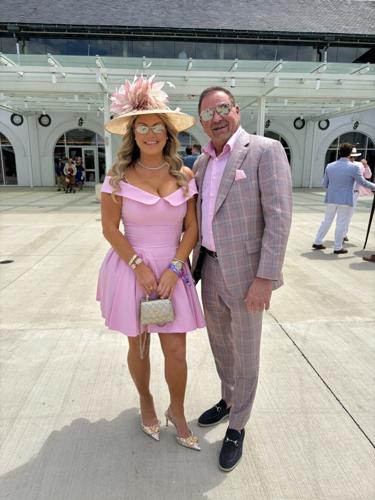
Racing fans don their finest pink outfits for the 152nd Kentucky Oaks at Churchill Downs. May 1, 2026. (WDRB Photo)
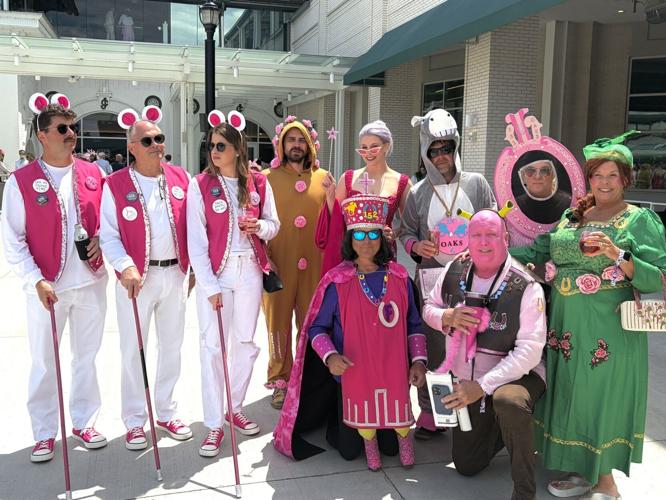
Racing fans don their finest pink outfits for the 152nd Kentucky Oaks at Churchill Downs. May 1, 2026. (WDRB Photo)
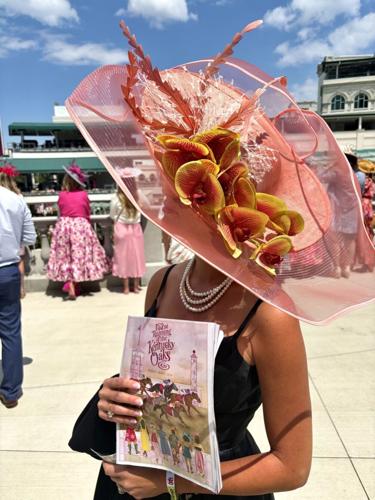
Racing fans don their finest pink outfits for the 152nd Kentucky Oaks at Churchill Downs. May 1, 2026. (WDRB Photo)
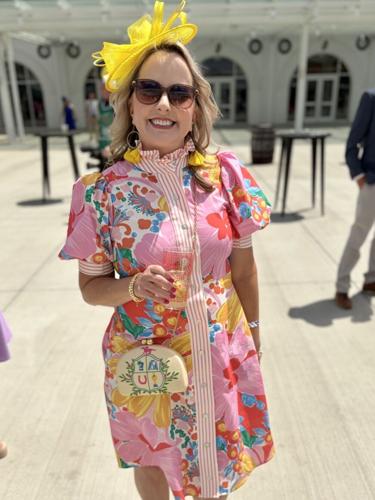
Racing fans don their finest pink outfits for the 152nd Kentucky Oaks at Churchill Downs. May 1, 2026. (WDRB Photo)
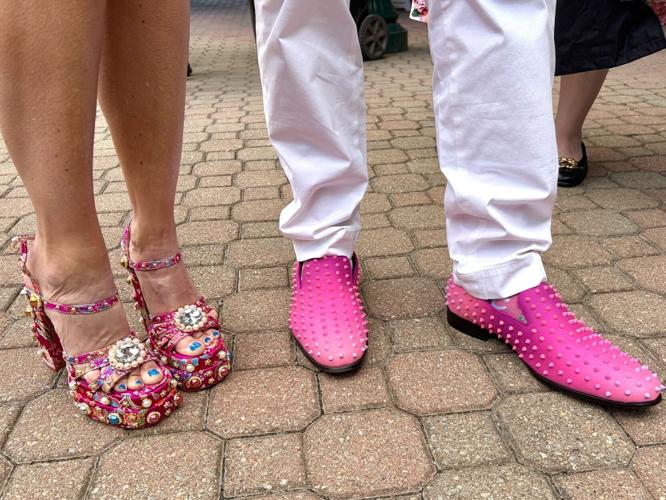
Racing fans don their finest pink outfits for the 152nd Kentucky Oaks at Churchill Downs. May 1, 2026. (WDRB Photo)
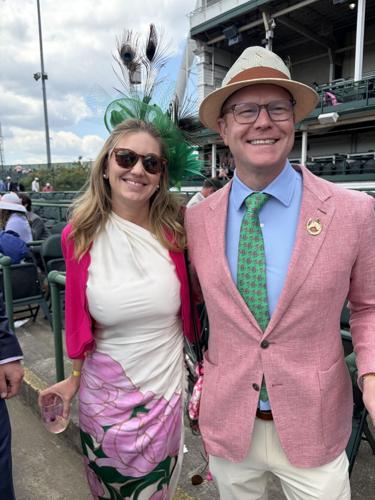
Racing fans don their finest pink outfits for the 152nd Kentucky Oaks at Churchill Downs. May 1, 2026. (WDRB Photo)
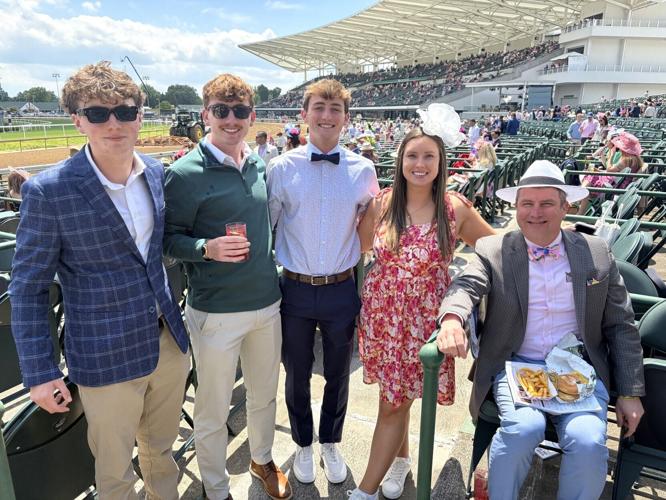
Racing fans don their finest pink outfits for the 152nd Kentucky Oaks at Churchill Downs. May 1, 2026. (WDRB Photo)
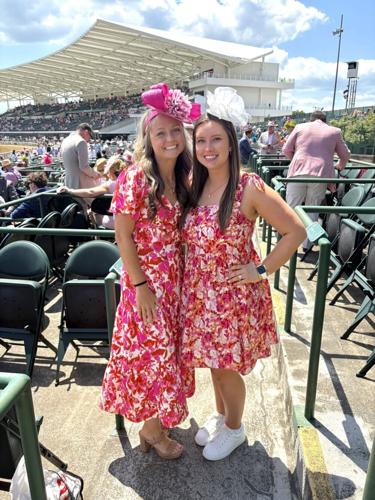
Racing fans don their finest pink outfits for the 152nd Kentucky Oaks at Churchill Downs. May 1, 2026. (WDRB Photo)
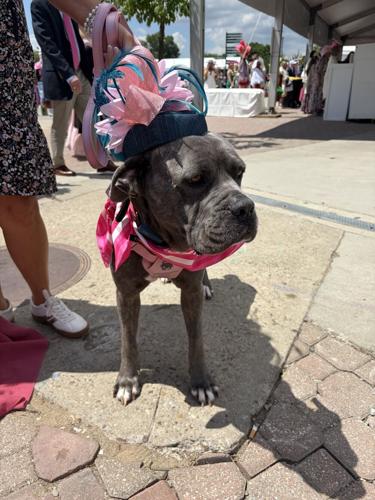
Racing fans don their finest pink outfits for the 152nd Kentucky Oaks at Churchill Downs. May 1, 2026. (WDRB Photo)
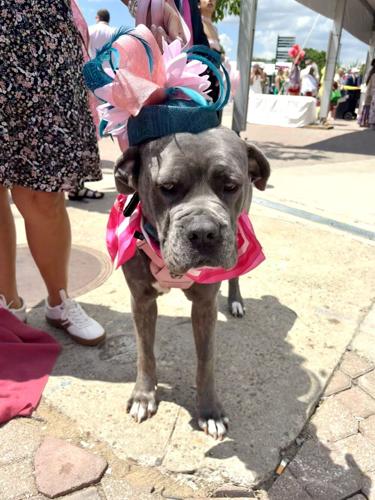
Racing fans don their finest pink outfits for the 152nd Kentucky Oaks at Churchill Downs. May 1, 2026. (WDRB Photo)
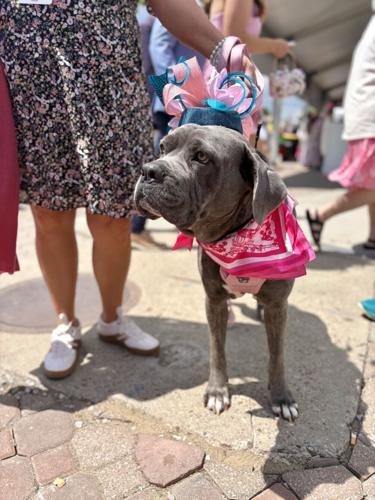
Racing fans don their finest pink outfits for the 152nd Kentucky Oaks at Churchill Downs. May 1, 2026. (WDRB Photo)
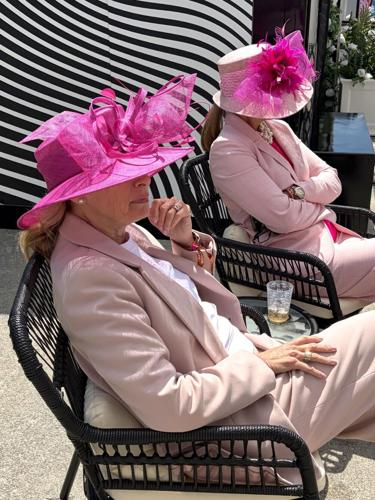
Racing fans don their finest pink outfits for the 152nd Kentucky Oaks at Churchill Downs. May 1, 2026. (WDRB Photo)
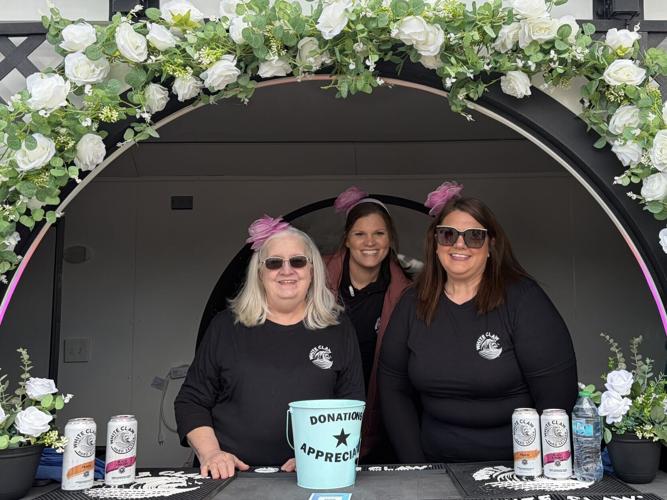
Racing fans don their finest pink outfits for the 152nd Kentucky Oaks at Churchill Downs. May 1, 2026. (WDRB Photo)
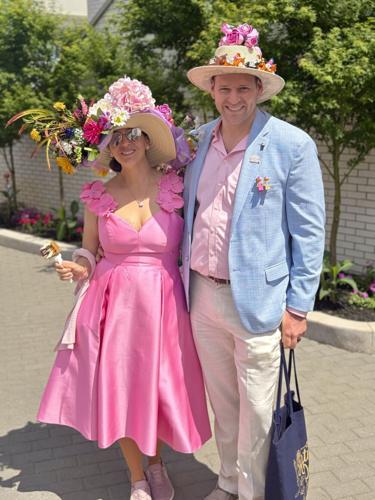
Racing fans don their finest pink outfits for the 152nd Kentucky Oaks at Churchill Downs. May 1, 2026. (WDRB Photo)
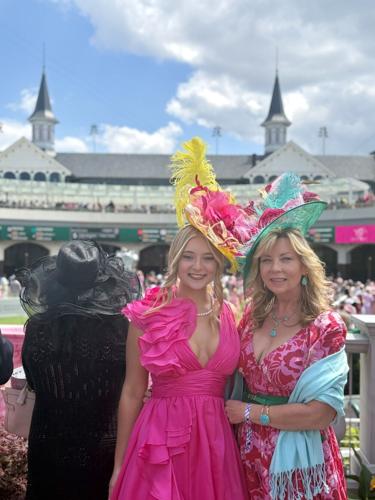
Racing fans don their finest pink outfits for the 152nd Kentucky Oaks at Churchill Downs. May 1, 2026. (WDRB Photo)
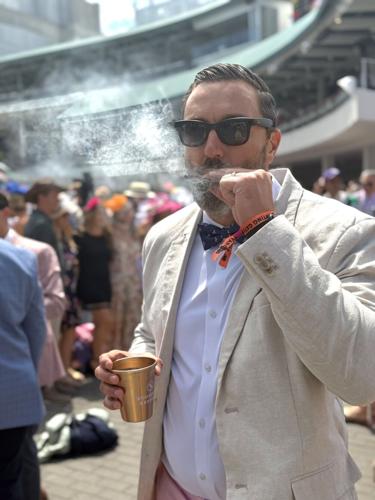
Racing fans don their finest pink outfits for the 152nd Kentucky Oaks at Churchill Downs. May 1, 2026. (WDRB Photo)
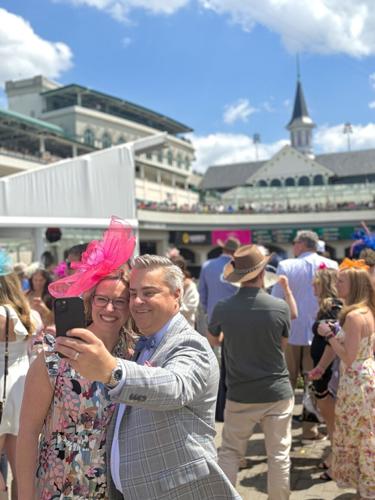
Racing fans don their finest pink outfits for the 152nd Kentucky Oaks at Churchill Downs. May 1, 2026. (WDRB Photo)
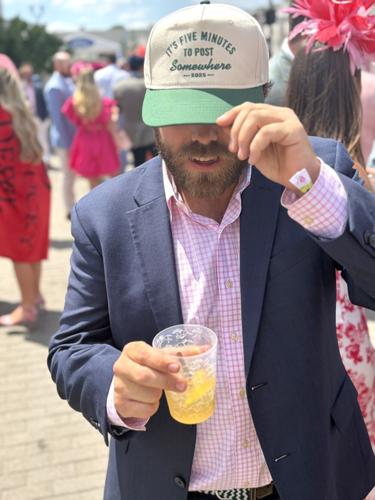
Racing fans don their finest pink outfits for the 152nd Kentucky Oaks at Churchill Downs. May 1, 2026. (WDRB Photo)
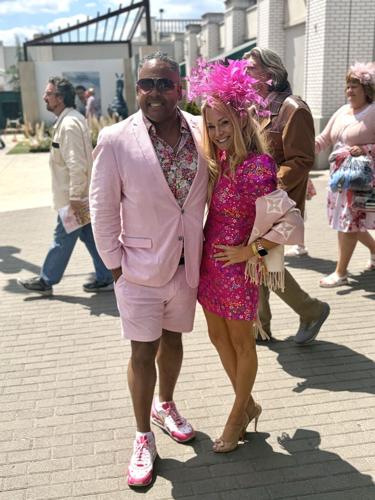
Racing fans don their finest pink outfits for the 152nd Kentucky Oaks at Churchill Downs. May 1, 2026. (WDRB Photo)
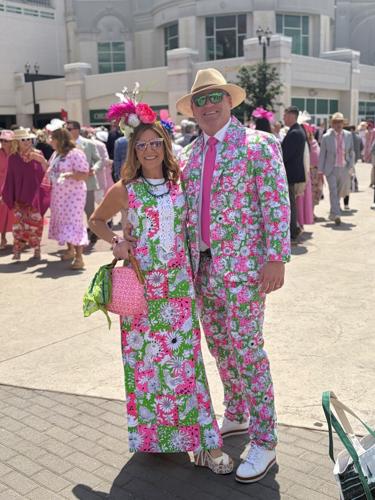
Racing fans don their finest pink outfits for the 152nd Kentucky Oaks at Churchill Downs. May 1, 2026. (WDRB Photo)
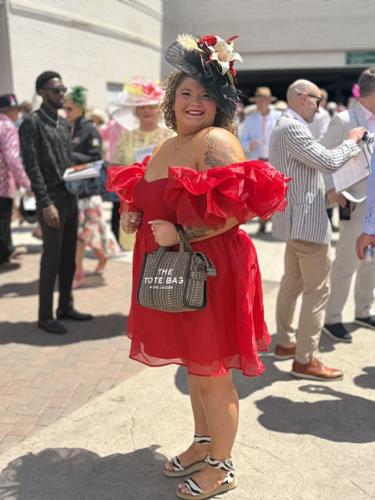
Racing fans don their finest pink outfits for the 152nd Kentucky Oaks at Churchill Downs. May 1, 2026. (WDRB Photo)
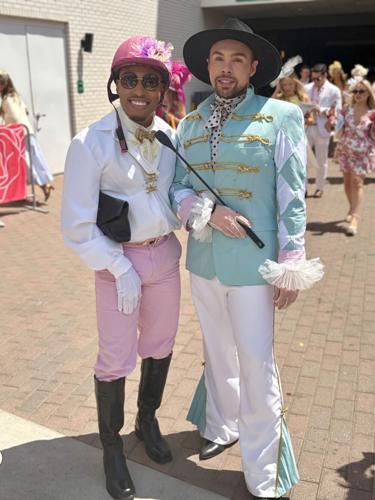
Racing fans don their finest pink outfits for the 152nd Kentucky Oaks at Churchill Downs. May 1, 2026. (WDRB Photo)
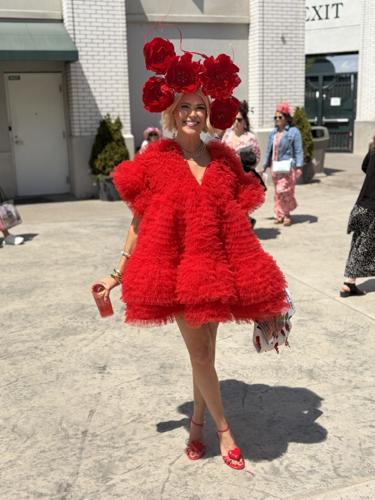
Racing fans don their finest pink outfits for the 152nd Kentucky Oaks at Churchill Downs. May 1, 2026. (WDRB Photo)
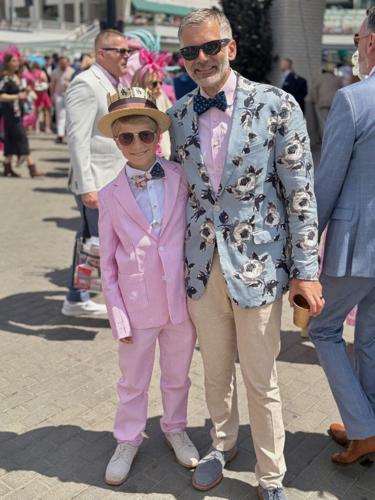
Racing fans don their finest pink outfits for the 152nd Kentucky Oaks at Churchill Downs. May 1, 2026. (WDRB Photo)
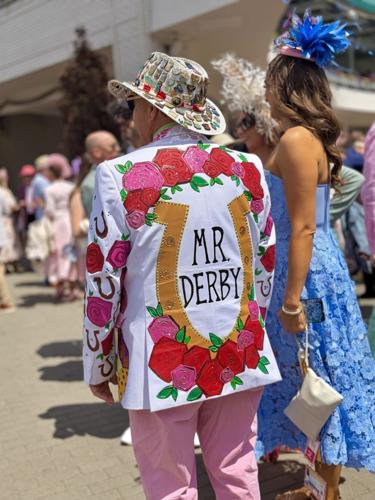
Racing fans don their finest pink outfits for the 152nd Kentucky Oaks at Churchill Downs. May 1, 2026. (WDRB Photo)
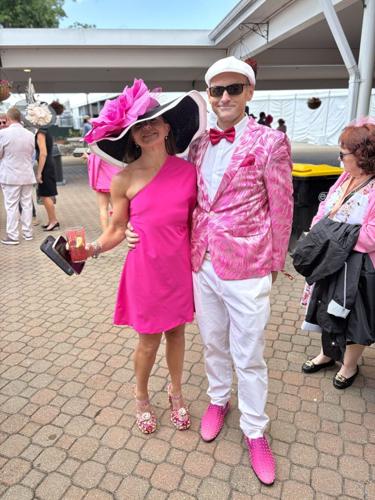
Racing fans don their finest pink outfits for the 152nd Kentucky Oaks at Churchill Downs. May 1, 2026. (WDRB Photo)
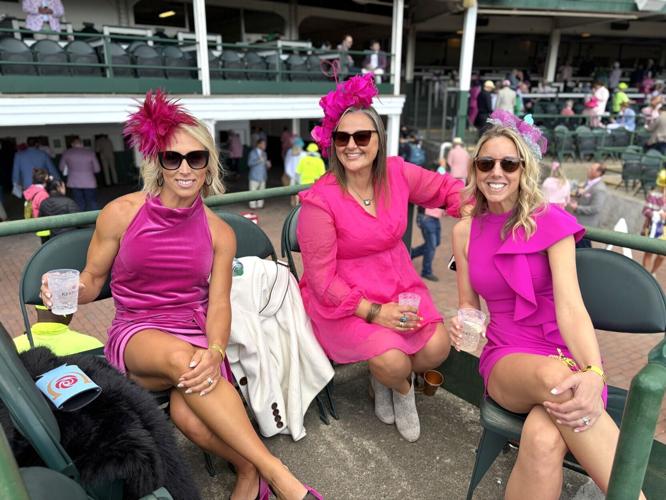
Racing fans don their finest pink outfits for the 152nd Kentucky Oaks at Churchill Downs. May 1, 2026. (WDRB Photo)
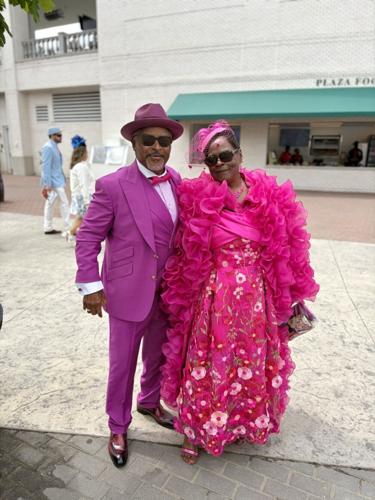
Racing fans don their finest pink outfits for the 152nd Kentucky Oaks at Churchill Downs. May 1, 2026. (WDRB Photo)
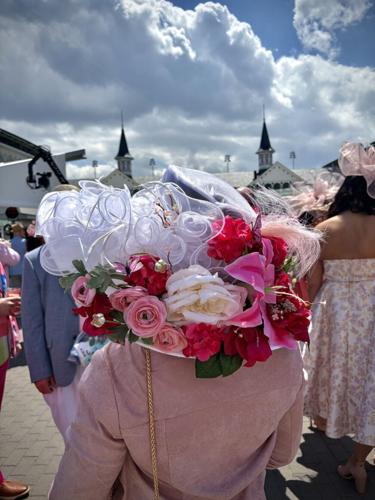
Racing fans don their finest pink outfits for the 152nd Kentucky Oaks at Churchill Downs. May 1, 2026. (WDRB Photo)
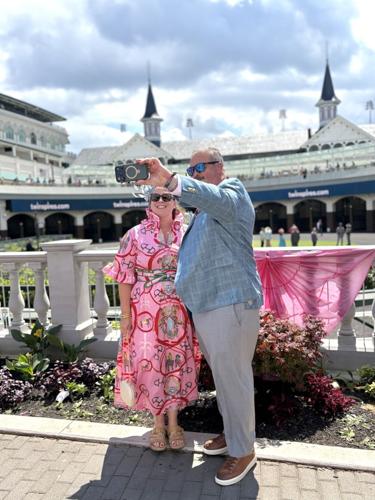
Racing fans don their finest pink outfits for the 152nd Kentucky Oaks at Churchill Downs. May 1, 2026. (WDRB Photo)

Racing fans don their finest pink outfits for the 152nd Kentucky Oaks at Churchill Downs. May 1, 2026. (WDRB Photo)
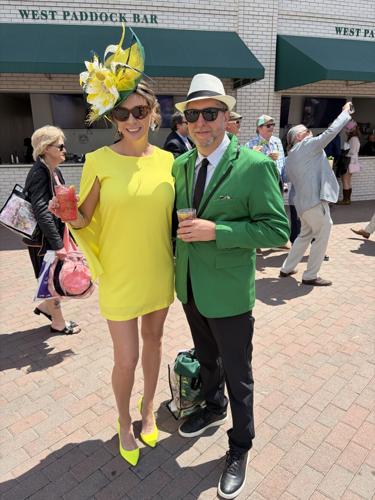
Racing fans don their finest pink outfits for the 152nd Kentucky Oaks at Churchill Downs. May 1, 2026. (WDRB Photo)
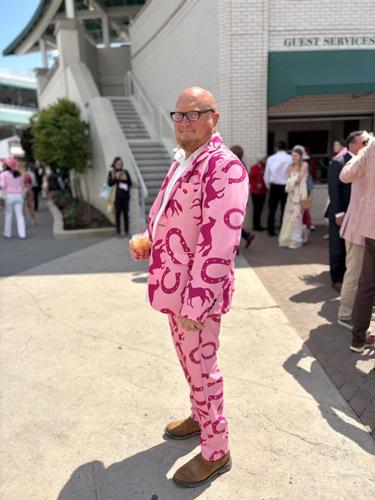
Racing fans don their finest pink outfits for the 152nd Kentucky Oaks at Churchill Downs. May 1, 2026. (WDRB Photo)
Copyright 2026 WDRB Media. All Rights Reserved.